이번 글 요점
- The question of *why community sports matter* is more than just a talking point; it's a pr...
- The Immediate Impact on Physical Health
- One of the most evident advantages of community sports is their direct contribution to phy...
The question of *why community sports matter* is more than just a talking point; it's a practical reality with tangible benefits observed over a recent four-day period. These initiatives are crucial for fostering physical health, building robust social connections, and enhancing the overall well-being of individuals and their neighborhoods. This post distills key observations from those four days to illuminate the vital role community sports play.
The Immediate Impact on Physical Health
One of the most evident advantages of community sports is their direct contribution to physical well-being. Across various observed locations, participants of all ages were actively engaged in diverse activities, from casual soccer matches in local parks to organized walking groups. Consistent physical activity, even at a moderate intensity, significantly improves cardiovascular health, aids in weight management, and boosts strength and flexibility. For many, these community sports programs serve as the primary gateway to regular exercise, especially for those facing barriers like unaffordability or lack of access to private gym facilities. The ease of participation and low entry threshold are critical factors in their widespread effectiveness.
This accessibility is particularly impactful for older adults. Programs such as morning tai chi sessions in public squares or gentle stretching classes held in community centers provide a safe and supportive environment for seniors to maintain an active lifestyle. These activities not only combat age-related physical decline but also play a role in preventing chronic diseases and enhancing mobility, ultimately leading to a higher quality of life. The social aspect, discussed further below, is also a significant motivator for consistent engagement among this demographic.
Building Bridges Through Shared Activity
Beyond the physical advantages, the social dimension of community sports is profoundly significant. These activities naturally serve as gathering points, uniting individuals from diverse backgrounds who might otherwise never cross paths. During the four-day observation period, it was evident that shared participation in a sport or activity immediately fosters a sense of connection. Whether it was cheering for a local team, collaborating in a group fitness class, or simply engaging in conversation before and after a game, these interactions cultivate a strong sense of belonging and camaraderie.
This social cohesion is essential for strengthening neighborhood ties. In many areas, community sports leagues and events provide a consistent platform for residents to connect, forge friendships, and develop a shared local identity. This can translate into increased civic engagement, mutual support networks, and a more vibrant local community. For example, a weekend softball league observed in one area had participants who regularly organized potlucks and assisted each other with small tasks, demonstrating how sports can extend beyond the field to create a supportive network.
Opportunities for Every Age and Ability
A key takeaway from the four-day observation was the inherently inclusive nature of community sports. Programs are thoughtfully designed to accommodate a wide spectrum of ages and physical abilities. This ensures that children can develop fundamental motor skills and learn teamwork through junior sports clubs, while adults can find leagues and classes that align with their fitness levels and personal interests. Even individuals with disabilities often discover adapted sports programs that enable them to participate fully and reap the rewards of physical activity and social interaction.
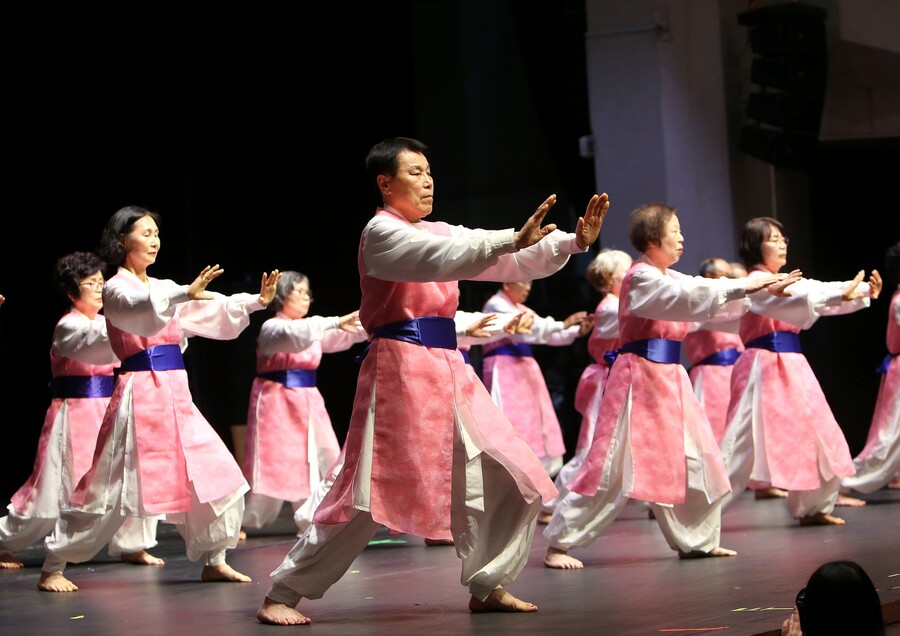
The adaptability of many community sports is remarkable. For instance, a local park might simultaneously host a competitive basketball game for younger adults and a more relaxed walking football session for older participants. This illustrates a commitment to ensuring that everyone, regardless of age or current fitness level, has an opportunity to engage. The emphasis is frequently placed on participation and enjoyment rather than solely on competition, making these activities more welcoming to a broader audience.
Developing Essential Life Skills Through Play
The importance of community sports extends significantly to the development of crucial life skills, particularly for younger participants. Through organized sports, children acquire invaluable lessons in teamwork, discipline, perseverance, and fair play. They learn to follow instructions, respect rules and authority figures, and grasp the importance of effort and consistent practice. These are skills that readily transfer to academic pursuits, future careers, and personal relationships.
Furthermore, sports can effectively teach resilience. Experiencing both wins and losses, overcoming challenges, and learning to manage emotions are all integral components of the sporting journey. These experiences help children and adults alike build mental toughness and cultivate a positive outlook towards challenges. The ability to bounce back from setbacks, a skill honed on the sports field, is indispensable for navigating life's inevitable difficulties.
Addressing Mental Health and Overall Well-being
The positive impact of community sports on mental health is undeniable, though often less apparent than their physical benefits. Regular physical activity is a well-established mood enhancer, effectively reducing stress, anxiety, and symptoms of depression. The endorphins released during exercise contribute to an overall sense of well-being and can improve mental clarity.
Beyond the physiological effects, the social connections forged through community sports play a crucial role in mental well-being. Feeling connected to others and possessing a sense of belonging can counteract feelings of isolation and loneliness, which are significant risk factors for mental health issues. The supportive environment of community sports provides a space for individuals to share experiences, offer encouragement, and feel understood, all of which contribute to improved mental resilience.
Practical Steps to Get Involved
For those inspired by the demonstrated benefits of community sports, getting involved is often more straightforward than one might anticipate.
1. Identify Local Opportunities: Begin by researching what is available in your immediate vicinity. This can involve checking local government websites, community center notice boards, or simply observing local parks and public spaces for ongoing activities. Many municipalities provide online directories of sports clubs and recreational programs.
2. Consider Your Interests and Fitness Level: Reflect on what activities genuinely appeal to you and what your current fitness level permits. It is advisable to start with something manageable and enjoyable to build consistency. Avoid feeling pressured to join a highly competitive league if you are just beginning. Look for introductory sessions or beginner-friendly groups.
3. Attend a Taster Session or Open Day: Many community sports organizations offer complimentary taster sessions or open days. This presents an excellent opportunity to experience an activity firsthand, meet potential teammates or instructors, and gauge the group's atmosphere before making a commitment. This offers a low-risk method for exploring different options and finding the best fit for you.
The Enduring Value of Local Engagement
After four days immersed in the world of community sports, the conclusion is clear: these initiatives are far more than mere recreational pastimes. They serve as foundational pillars for healthy, connected, and resilient communities. The physical activity, social bonds, development of life skills, and positive impact on mental health all interweave to create a powerful force for individual and collective well-being. Investing in and participating in community sports is a direct investment in a better future for all.
To further understand the impact, consider verifying the availability of specific programs in your local area by checking your municipal recreation department's website or contacting local community centers. Researching beginner-friendly options or attending an introductory session will provide a tangible first step towards experiencing these benefits firsthand.
함께 보면 좋은 글
공시·참고 출처
이미지 출처
- 출처: 웹 검색(원문 링크) [source_page_neighbor] | 원문: https://www.spotvnews.co.kr/news/articleView.html?idxno=813321

'일상' 카테고리의 다른 글
| Nonghyup Gwangju Wholesale Market Promotes Increased Usage (0) | 2026.04.29 |
|---|---|
| Lahan Hotel Boosts Family Travel Content for Family Month (0) | 2026.04.29 |
| KOMIPO Social Ground: Boosting Local Social Economy (0) | 2026.04.28 |
| 덕성여대-마이크로소프트 ‘커리어 멘토링 데이’ 개최, 지금 알아둘 핵심 변화 (1) | 2026.04.27 |
| 고유가 피해지원금' 지급 개시…기초생활수급자 등 취약계층 먼저 (0) | 2026.04.27 |


